📕 Chapter 3: A Long and Illustrious History
3.2.7 Scotland and Wales in the Middle Ages
2 paragraphs · 4 questions
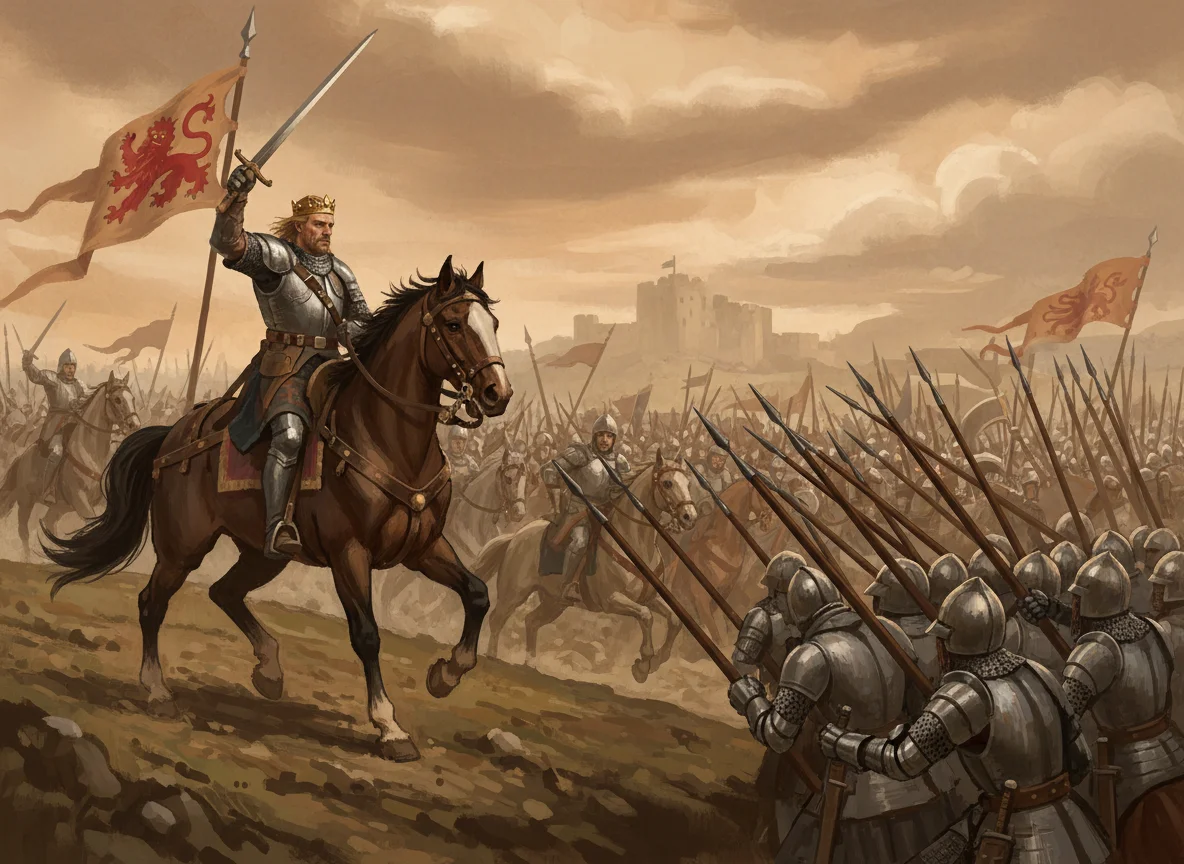
During the Middle Ages, Scotland remained an independent kingdom. The Scots fought many wars against English attempts to control them. Robert the Bruce defeated the English at the Battle of Bannockburn in 1314, securing Scottish independence. The Declaration of Arbroath in 1320 asserted Scotland's right to be an independent nation.
Key Facts
- Scotland remained independent in the Middle Ages
- Robert the Bruce won Battle of Bannockburn 1314
- Declaration of Arbroath 1320 asserted Scottish independence
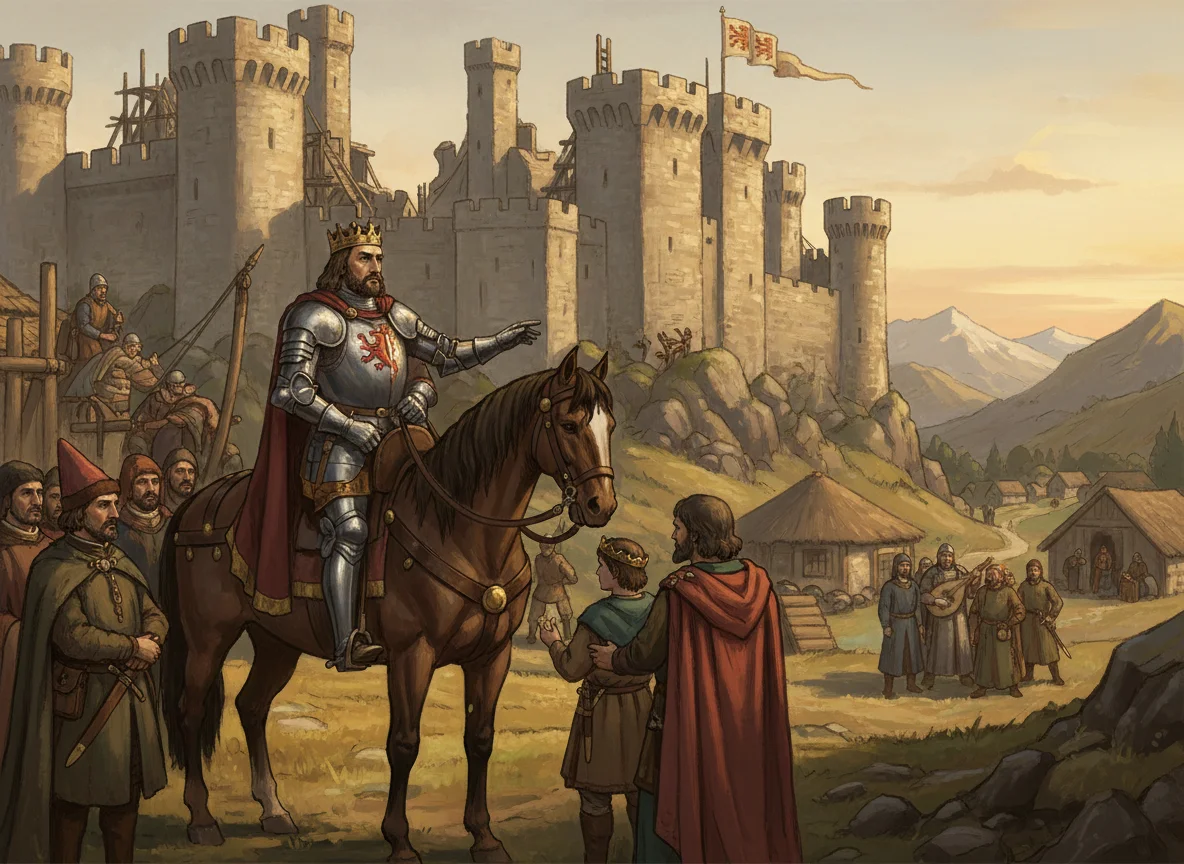
Wales was conquered by Edward I of England in 1284. Edward built a series of impressive castles across Wales, including Caernarfon, Conwy, and Harlech, to control the Welsh population. Edward's son was made the first English Prince of Wales, a title still given to the heir to the throne today. Despite English rule, the Welsh maintained their own language and cultural identity.
Key Facts
- Wales conquered by Edward I in 1284
- Edward built castles: Caernarfon, Conwy, Harlech
- Prince of Wales title created; Welsh maintained language and culture
📝 学习笔记
- Robert the Bruce 在 1314 年的班诺克本战役中击败了英格兰人。
- 苏格兰在中世纪保持独立
- 罗伯特·布鲁斯于1314年赢得了班诺克本战役
- 《阿布罗斯宣言》于1320年宣布苏格兰独立
- 班诺克本战役发生在1314年。
- 苏格兰在中世纪保持独立
- 罗伯特·布鲁斯于1314年赢得了班诺克本战役
- 《阿布罗斯宣言》于1320年宣布苏格兰独立
- 英格兰国王爱德华一世于1284年征服了威尔士。
- 苏格兰在中世纪保持独立
- 罗伯特·布鲁斯于1314年赢得了班诺克本战役
- 《阿布罗斯宣言》于1320年宣布苏格兰独立
- 爱德华一世在威尔士各地建造了一系列宏伟的城堡,包括Caernarfon、Conwy和Harlech。
- 苏格兰在中世纪保持独立
- 罗伯特·布鲁斯于1314年赢得了班诺克本战役
- 《阿布罗斯宣言》于1320年宣布苏格兰独立
Advertisement