📕 Chapter 3: A Long and Illustrious History
3.6.7 Significant British inventions and inventors
2 paragraphs · 5 questions
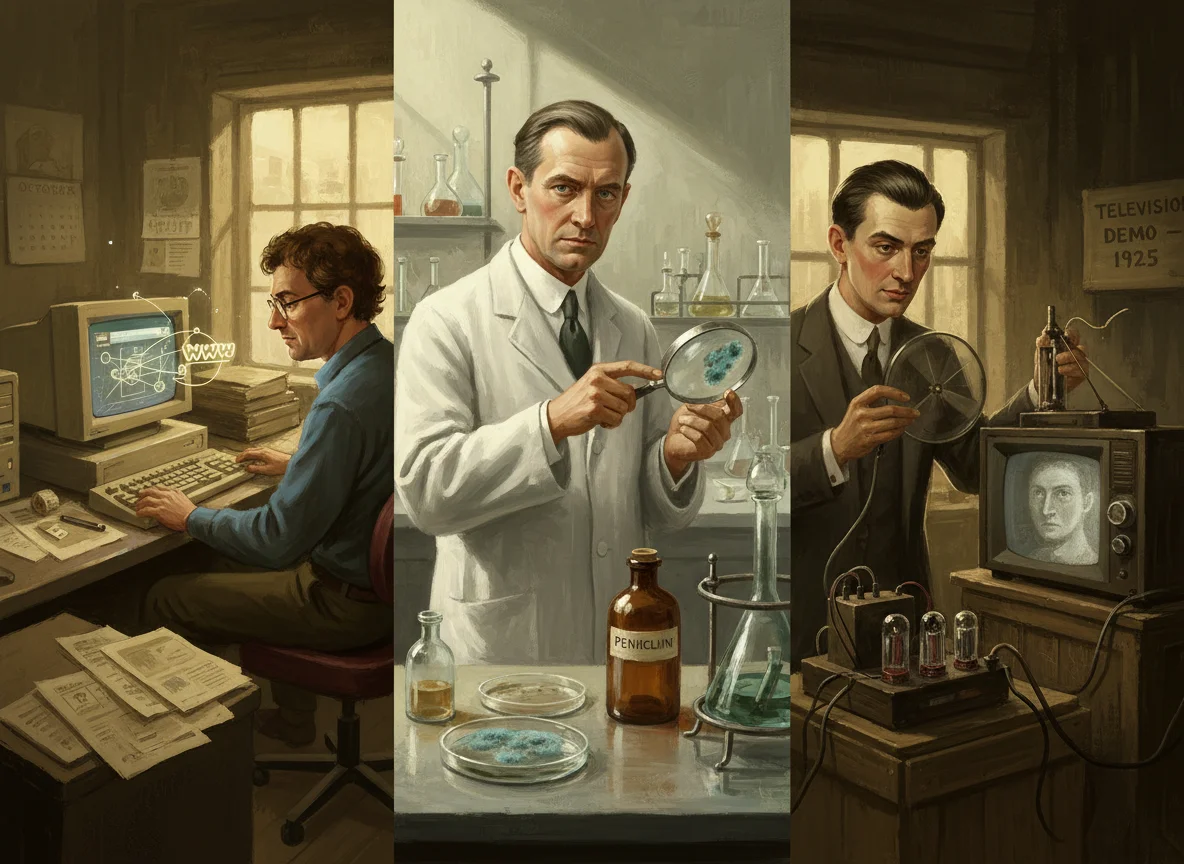
Britain has a long history of invention and innovation. Sir Tim Berners-Lee invented the World Wide Web in 1989. Alexander Fleming discovered penicillin in 1928. John Logie Baird demonstrated the first working television in 1925. Sir Frank Whittle developed the jet engine. Alan Turing, a mathematician, played a crucial role in breaking the Enigma code during World War II and is considered a pioneer of computer science.
Key Facts
- Tim Berners-Lee invented World Wide Web 1989
- Alexander Fleming discovered penicillin 1928
- John Logie Baird demonstrated television 1925
- Alan Turing broke Enigma code; pioneer of computer science
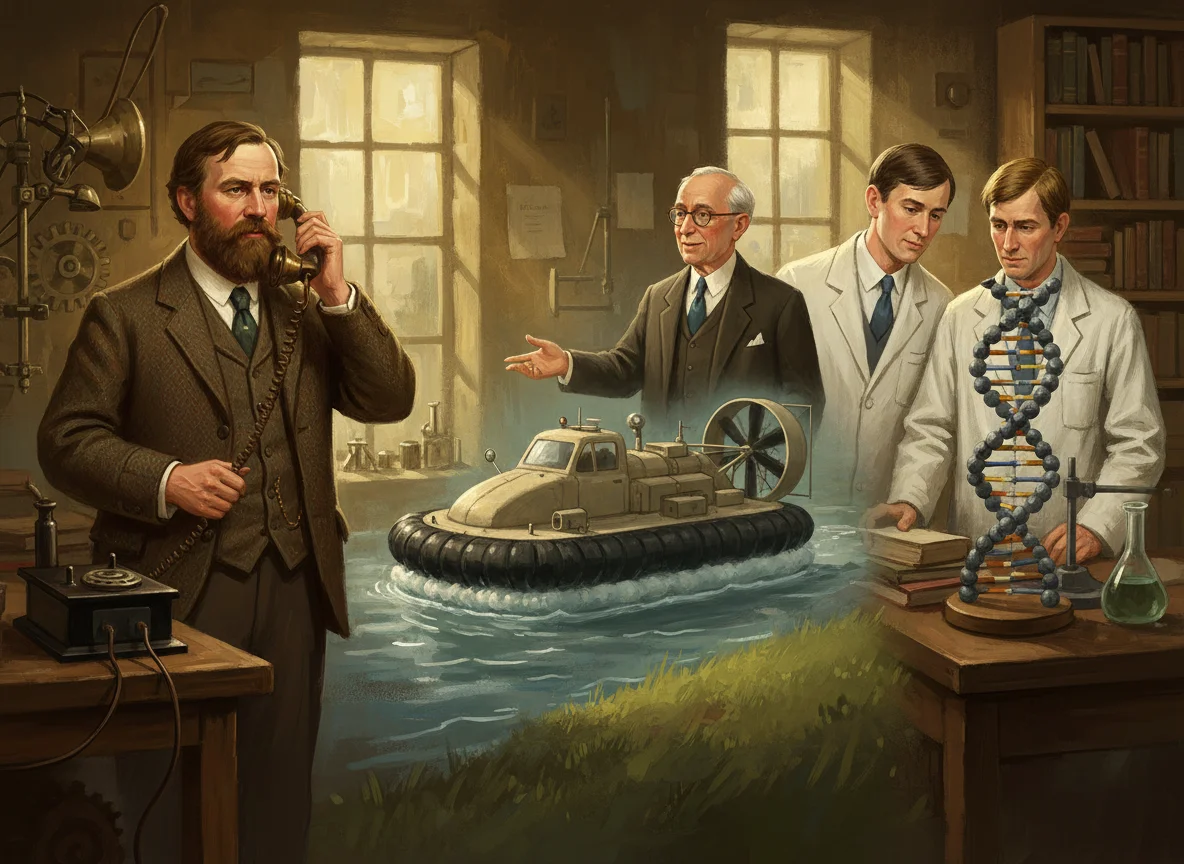
Other notable British inventions include the telephone (Alexander Graham Bell, born in Scotland), the hovercraft (Sir Christopher Cockerell), the cash machine/ATM (John Shepherd-Barron), and the DNA structure discovery (Francis Crick and James Watson at Cambridge). Britain continues to be a world leader in science, technology, and innovation.
Key Facts
- Alexander Graham Bell (Scottish) — telephone
- Sir Christopher Cockerell — hovercraft
- Crick and Watson — DNA structure at Cambridge
- Britain remains a world leader in science and technology
📝 অধ্যয়ন নোট
- স্যার Tim Berners-Lee ১৯৮৯ সালে World Wide Web আবিষ্কার করেন।
- Tim Berners-Lee ১৯৮৯ সালে World Wide Web আবিষ্কার করেন
- Alexander Fleming ১৯২৮ সালে পেনিসিলিন আবিষ্কার করেন
- John Logie Baird ১৯২৫ সালে টেলিভিশন প্রদর্শন করেন
- Alexander Fleming ১৯২৮ সালে পেনিসিলিন আবিষ্কার করেন।
- Tim Berners-Lee ১৯৮৯ সালে World Wide Web আবিষ্কার করেন
- Alexander Fleming ১৯২৮ সালে পেনিসিলিন আবিষ্কার করেন
- John Logie Baird ১৯২৫ সালে টেলিভিশন প্রদর্শন করেন
- John Logie Baird ১৯২৫ সালে প্রথম কার্যকরী টেলিভিশন প্রদর্শন করেন।
- Tim Berners-Lee ১৯৮৯ সালে World Wide Web আবিষ্কার করেন
- Alexander Fleming ১৯২৮ সালে পেনিসিলিন আবিষ্কার করেন
- John Logie Baird ১৯২৫ সালে টেলিভিশন প্রদর্শন করেন
- Alan Turing দ্বিতীয় বিশ্বযুদ্ধের সময় Enigma কোড ভেঙেছিলেন এবং তাকে কম্পিউটার বিজ্ঞানের একজন পথিকৃৎ হিসেবে গণ্য করা হয়।
- Tim Berners-Lee ১৯৮৯ সালে World Wide Web আবিষ্কার করেন
- Alexander Fleming ১৯২৮ সালে পেনিসিলিন আবিষ্কার করেন
- John Logie Baird ১৯২৫ সালে টেলিভিশন প্রদর্শন করেন
- স্কটল্যান্ডে জন্মগ্রহণকারী Alexander Graham Bell-কে টেলিফোন আবিষ্কারের জন্য কৃতিত্ব দেওয়া হয়।
- Tim Berners-Lee ১৯৮৯ সালে World Wide Web আবিষ্কার করেন
- Alexander Fleming ১৯২৮ সালে পেনিসিলিন আবিষ্কার করেন
- John Logie Baird ১৯২৫ সালে টেলিভিশন প্রদর্শন করেন
Advertisement