📘 Chapter 1: The Values and Principles of the UK
1.1.4 Democracy and participation
3 paragraphs · 4 questions
The UK is a parliamentary democracy. This means that the people choose their representatives through free and fair elections. Members of Parliament (MPs) are elected by the people to represent their local constituency in the House of Commons. The political party that wins the most seats usually forms the government.
Key Facts
- The UK is a parliamentary democracy
- MPs are elected to represent constituencies
- The party with most seats forms the government
Active participation in democracy is encouraged. All UK citizens and qualifying Commonwealth and Irish citizens aged 18 and over have the right to vote in general elections. People are also encouraged to stand for election themselves, to join political parties, and to take part in campaigns on issues they care about.
Key Facts
- Voting age is 18 and over
- Commonwealth and Irish citizens can vote in general elections
- People are encouraged to participate in democracy
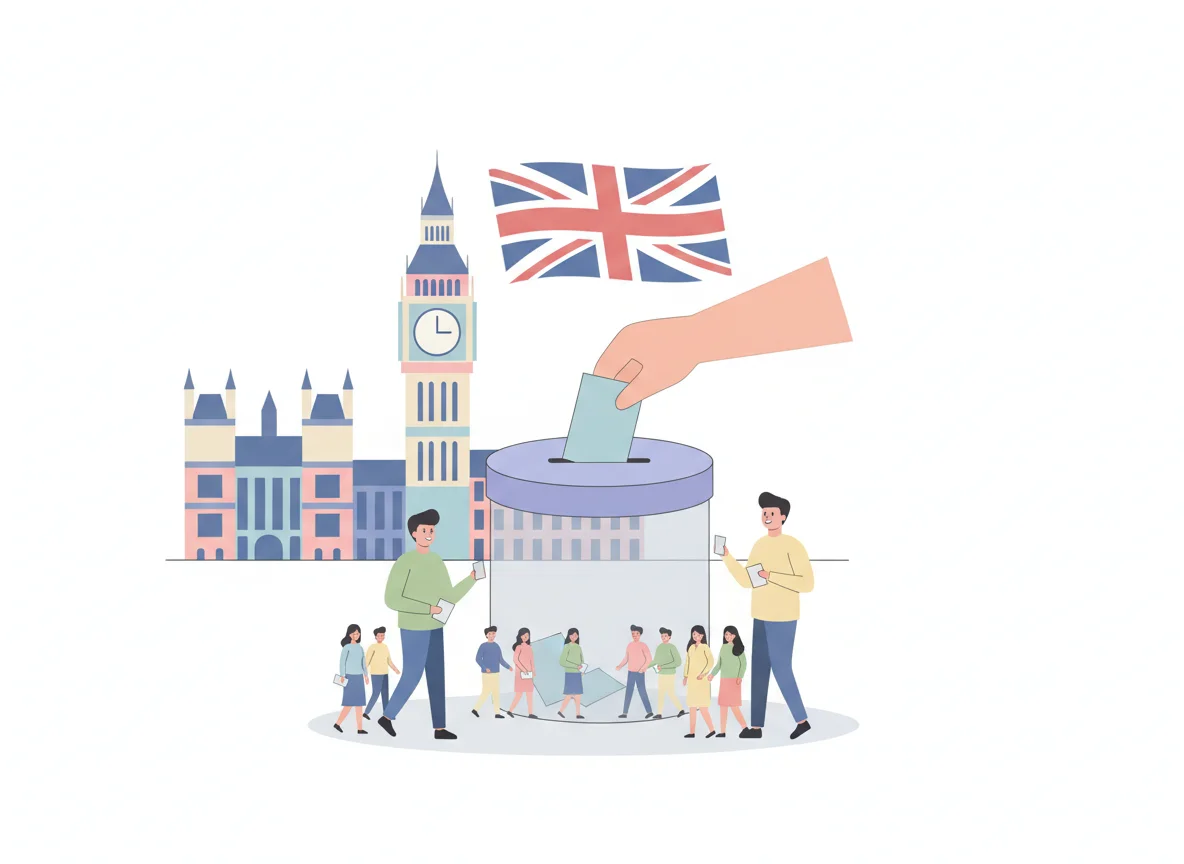
Beyond voting, there are many ways to participate in democratic life in the UK. Citizens can contact their MP, sign petitions, attend local council meetings, or volunteer for causes they believe in. Being an active citizen and contributing to the community is considered an important part of life in the UK.
Key Facts
- Citizens can contact MPs and sign petitions
- Attending council meetings is a form of participation
- Active citizenship is encouraged
📝 অধ্যয়ন নোট
- UK একটি সংসদীয় গণতন্ত্র, যেখানে মানুষ House of Commons-এ প্রতিনিধি (MPs) নির্বাচন করে।
- UK একটি সংসদীয় গণতন্ত্র
- constituencies (নির্বাচনী এলাকা) প্রতিনিধিত্ব করার জন্য MPs নির্বাচিত হন
- যে দলের সবচেয়ে বেশি আসন থাকে তারা সরকার গঠন করে
- UK-এর সাধারণ নির্বাচনে ভোট দেওয়ার জন্য আপনার বয়স 18 বা তার বেশি হতে হবে।
- UK একটি সংসদীয় গণতন্ত্র
- constituencies (নির্বাচনী এলাকা) প্রতিনিধিত্ব করার জন্য MPs নির্বাচিত হন
- যে দলের সবচেয়ে বেশি আসন থাকে তারা সরকার গঠন করে
- আপনার স্থানীয় MP-এর সাথে যোগাযোগ করা গণতন্ত্রে অংশ নেওয়ার অনেক উপায়ের মধ্যে একটি, যেমন ভোট দেওয়া, পিটিশনে স্বাক্ষর করা এবং স্বেচ্ছাসেবী কাজ করা।
- UK একটি সংসদীয় গণতন্ত্র
- constituencies (নির্বাচনী এলাকা) প্রতিনিধিত্ব করার জন্য MPs নির্বাচিত হন
- যে দলের সবচেয়ে বেশি আসন থাকে তারা সরকার গঠন করে
- UK নাগরিক, যোগ্য Commonwealth নাগরিক এবং 18 বছর বা তার বেশি বয়সী Irish নাগরিকরা সাধারণ নির্বাচনে ভোট দিতে পারে।
- UK একটি সংসদীয় গণতন্ত্র
- constituencies (নির্বাচনী এলাকা) প্রতিনিধিত্ব করার জন্য MPs নির্বাচিত হন
- যে দলের সবচেয়ে বেশি আসন থাকে তারা সরকার গঠন করে
Advertisement